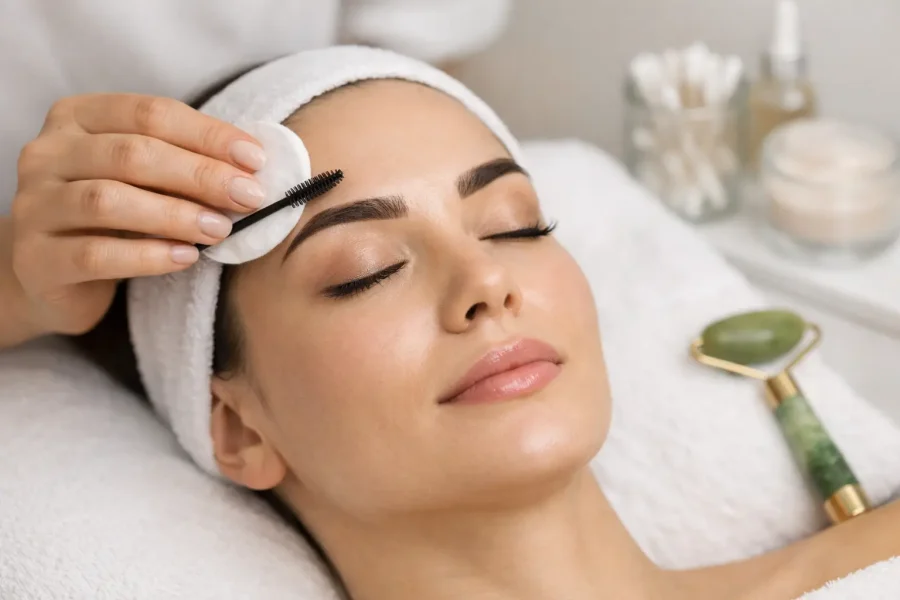
Freshly tattooed brows can look a little darker, sharper, and more defined than expected at first – and that is exactly why proper care for brow tattoo results matters so much. The healing phase is where crisp work settles into a softer, more natural finish. What you do in the first few days, and just as importantly what you avoid, has a direct effect on color retention, skin recovery, and the final shape.
Permanent makeup is designed to simplify your routine, not create stress. But healing is not one-size-fits-all. Skin type, lifestyle, aftercare habits, and even how often you sweat can all influence the outcome. A refined result comes from both skilled application and careful aftercare.
A brow tattoo is a controlled cosmetic tattooing procedure, which means the skin needs time to repair. During healing, the pigment settles, the surface recovers, and the brows go through several normal stages. They may appear darker initially, then soften, then look patchy for a short period before the color returns more evenly.
This is where many clients become concerned too early. Brows rarely look “finished” in the first week. If the area is overwashed, picked at, exposed to too much moisture, or irritated by skincare products, the skin may struggle to hold pigment evenly. Good aftercare supports better retention and helps preserve the soft, polished look most clients want.
Immediately after treatment, your brows will usually look more saturated and more structured than the healed result. Mild redness and tenderness are common, especially within the first 24 hours. For some clients, there is very little visible irritation. For others, the skin can feel tight or slightly dry.
Over the next several days, light flaking may begin. This is a normal part of healing, not a sign that something has gone wrong. The key is to let the skin shed naturally. Scratching, rubbing, or peeling can lift pigment before it has properly settled.
Then comes the stage that surprises people most. Once the flakes come away, the brows can appear lighter than expected. This temporary faded phase is common. As the skin continues to recover, the pigment often resurfaces more clearly. Final healed results take time, and a perfecting session is typically part of the process.
The first week matters most. Keep the area clean, dry, and protected, and follow the specific aftercare guidance given by your artist. Different techniques and skin types may call for slightly different instructions, so your provider’s advice should always come first.
In general, avoid soaking the brows. That means no swimming, saunas, steam rooms, or long hot showers where water hits the face directly. A quick, lukewarm shower is usually fine if you keep the brow area out of the spray as much as possible.
You will also want to keep sweat to a minimum. Heavy workouts, hot yoga, and intense cardio can interfere with healing, especially in the early days. If you tend to sweat easily, this is one of the biggest factors to take seriously.
Do not apply makeup over the brows while the skin is healing. Brow pencils, gels, and powders can introduce bacteria and create unnecessary friction. The same goes for active skincare ingredients near the area. Retinol, exfoliating acids, acne treatments, and strong anti-aging products should stay well away from healing brows.
If your artist has recommended a healing balm or aftercare product, use only the amount advised. More is not better. Overapplying ointment can oversaturate the skin and affect how the pigment settles.
The biggest mistakes are usually small, everyday habits. Washing your face aggressively, sleeping face-down, rubbing the area, or trying to “help” flaking skin along can all compromise your result.
Sun exposure is another major one. UV can affect pigment retention and contribute to fading over time, but it is especially unhelpful during healing. Keep brows out of direct sun while the skin is recovering.
It is also wise to pause facials, chemical peels, microdermabrasion, and laser treatments near the brow area until you are fully healed. Even if the treatment is not directly on the brows, surrounding skin irritation can still disrupt recovery.
If you have oily skin, you may notice that healing behaves a little differently. Oily skin can soften scabs faster and sometimes hold pigment less crisply than drier skin. That does not mean the treatment will not heal beautifully. It simply means aftercare and touch-up planning may need a more tailored approach.
Days 1 to 3 are usually the boldest. Brows often look darker, more defined, and slightly thicker during this period. Mild sensitivity is normal.
Days 4 to 7 often bring dryness or light flaking. This is where patience matters. Let the skin do what it needs to do naturally.
Days 7 to 14 can be the most emotionally confusing stage because the brows may look too light, uneven, or as though some pigment has disappeared. This is often temporary. The skin is still healing beneath the surface.
By weeks 4 to 6, the result is much easier to assess properly. At that point, any areas that healed softer or lighter can be adjusted at a touch-up appointment if needed. Permanent makeup is a process of refinement, and that is part of achieving a balanced, natural-looking finish.
Once healed, your brows are low maintenance, but not no maintenance. Long-lasting results depend on how well you protect the pigment over time.
Sun protection makes a real difference. Once the area is fully healed, using SPF around the brows helps reduce premature fading. Clients who spend a lot of time outdoors, use exfoliating skincare regularly, or undergo frequent facial treatments may notice that their brow tattoo fades faster than expected.
Skin treatments should also be planned carefully. Chemical exfoliants, retinoids, and resurfacing procedures can gradually lighten cosmetic tattooing if used too close to the area. You do not need to avoid good skincare altogether, but placement matters.
The same goes for beauty services. Brow tinting, waxing, lamination, and facials are not automatically off-limits forever, but they should be approached thoughtfully once the tattoo is fully healed. If you are ever unsure, ask your artist what is suitable for your skin and technique.
Some variation in healing is normal. Mild tenderness, tightness, dryness, and flaking are expected. What you do not want is significant swelling, increasing pain, spreading redness, or signs that the skin is becoming infected.
If something feels unusual, contact your provider rather than guessing. Professional guidance early on is always better than trying random products or home remedies. An experienced artist will be able to tell the difference between normal healing and something that needs attention.
It is also worth reaching out if you are worried about asymmetry or fading too soon, but timing matters. Brows should not be judged too early. What looks patchy at day 10 may settle beautifully by week 4.
A touch-up is not a sign that something went wrong. It is part of the treatment plan for most brow tattoo services. Skin does not heal identically from person to person, and small adjustments are often needed to perfect the shape, reinforce pigment, or balance areas that healed lighter.
This is where expertise really shows. Natural-looking permanent makeup is built through precision, artistry, and careful layering rather than trying to make everything overly dark in one session. At Tanya Peters Aesthetics, that tailored approach is central to creating brows that look refined rather than harsh.
If you want your brow tattoo to stay polished for as long as possible, consistency matters more than complicated routines. Be gentle with the area, protect it from sun, keep aggressive skincare at a distance, and schedule maintenance before the pigment fades too far.
The best results never look heavy or obvious. They look like your features, only more balanced, more defined, and easier to maintain. Give the healing process the same level of care that went into the treatment itself, and your brows will reward you with a finish that feels effortless every day.