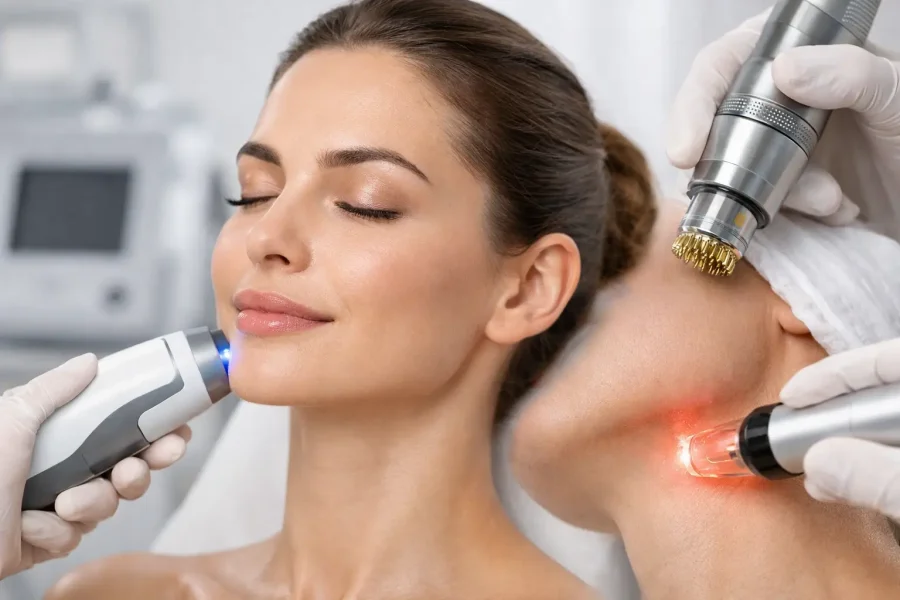
Loose skin rarely appears all at once. More often, it shows up in small ways first – a softer jawline, crepey texture above the knees, or skin on the stomach that does not bounce back quite like it used to. If you are researching the best treatments for skin tightening, you are usually not looking for a dramatic change. You want firmer, smoother skin that still looks like you, just more refined.
That is where treatment choice matters. Skin tightening is not one-size-fits-all, and the best option depends on the area being treated, the degree of laxity, your comfort with downtime, and how quickly you want to see change. For most clients, the goal is not simply tighter skin. It is natural, long-lasting improvement that feels worth the investment.
Skin loses firmness for a few different reasons. Collagen and elastin naturally decline with age, which affects structure and resilience. Weight loss, pregnancy, sun exposure, and genetics also play a role. In some areas, cellulite or thinning skin can make laxity look more obvious, even when the change is mild.
This is why two people with similar concerns may need very different treatment plans. Mild looseness on the abdomen after weight changes is not the same as crepey skin on the upper arms or early laxity along the lower face. A thoughtful assessment always comes before the treatment itself.
The most effective options fall into two broad categories: non-invasive treatments that stimulate collagen over time, and more aggressive medical procedures that create bigger change with more downtime. For many women, especially those wanting gradual, natural-looking improvement, non-invasive treatments are the most practical place to start.
Radio frequency is one of the most established non-surgical options for improving mild to moderate skin laxity. It works by delivering controlled heat into the deeper layers of the skin, which encourages collagen remodeling and supports firmer texture over time.
This treatment is especially popular on the stomach, thighs, buttocks, upper arms, and other body areas where skin can start to look soft or less toned. It can also help improve the appearance of cellulite because the skin often looks smoother as firmness improves.
The reason radio frequency remains one of the best treatments for skin tightening is that it offers a strong balance of effectiveness, comfort, and minimal disruption to your routine. There is no surgery, no lengthy recovery period, and results build progressively. That said, it is not an instant fix. Most clients need a series of sessions, and the best outcomes come with consistency.
For facial skin tightening, microneedling combined with radio frequency is often a step up from surface-level treatments. The needles create controlled micro-injuries while radio frequency heat is delivered into deeper tissue, encouraging collagen production more intensively.
This can be a strong option for early jowling, soft jawline definition, and textural changes in the cheeks or under-eye area. It is often chosen by clients who want more visible correction than standard facials can provide but are not ready for surgical procedures.
The trade-off is that downtime is usually greater than with body-focused radio frequency alone. Redness, sensitivity, and a short recovery period are common, so timing matters if you have events or social plans.
Ultrasound treatments target deeper structural layers beneath the skin. They are often used for the face, neck, and under-chin area, where lifting and firming are the priority rather than surface smoothing alone.
This approach can suit clients who want to address early sagging without injectables or surgery. Results tend to appear gradually over a few months as collagen develops, which appeals to women who prefer subtle change.
Ultrasound can be effective, but it is not always the most comfortable treatment, and it tends to be more expensive than standard radio frequency. It is also better for some areas than others, so it is not automatically the best choice for full-body concerns.
Certain laser treatments can improve laxity by heating the skin and triggering collagen renewal. Some also help with pigmentation or surface texture at the same time, which makes them appealing for sun-damaged skin.
Laser can produce beautiful refinement when the concern is not just looseness but overall skin quality. However, the right device matters, and not every laser is designed for true tightening. Some are better for tone and texture than firmness. This is one of the reasons treatment planning should be specific rather than trend-driven.
When skin laxity is advanced, surgery may be the more realistic solution. A facelift, neck lift, tummy tuck, or arm lift can remove excess skin in a way non-invasive treatments simply cannot.
That does not make surgery the best choice for everyone. It comes with greater cost, downtime, and recovery, and many women do not need that level of intervention. If the looseness is mild to moderate and you would prefer a gradual approach, non-surgical options are often the better fit.
The treatment area matters as much as the technology.
For the stomach, thighs, buttocks, and arms, radio frequency is often a leading option because it can address both firmness and skin texture without interrupting daily life. It suits clients who want visible improvement but do not want surgery or extended recovery.
For the lower face and neck, ultrasound or radio frequency microneedling may be better choices when skin support and contour are the main concern. For facial skin that also has uneven tone or sun damage, certain lasers may offer a more comprehensive improvement.
If there is significant loose skin after major weight loss or pregnancy, non-invasive treatments can still help improve quality and firmness, but they may not replace surgery. Honest expectations are essential here. Good treatment advice should feel reassuring, not exaggerated.
The best skin tightening treatment is not always the newest or most expensive. It is the one that matches your skin, your goals, and your tolerance for downtime.
A worthwhile treatment plan should be clear about how many sessions are likely needed, when results should start to show, and what level of improvement is realistic. It should also take your lifestyle into account. Busy clients often prefer options that fit around work, school runs, and everyday commitments rather than treatments that require hiding away for a week.
This is one reason personalized care matters so much in aesthetics. A treatment can be excellent in the right hands and disappointing when chosen without enough thought. Expertise is not just about operating a device. It is about knowing when a client needs a subtle collagen boost, when they would benefit from a combined approach, and when a treatment is unlikely to give enough return.
In a clinic setting focused on natural-looking enhancement, radio frequency continues to stand out because it delivers a refined kind of result. Skin gradually looks firmer, smoother, and more toned rather than suddenly altered. For many women, that is exactly the appeal.
It also pairs well with broader body contour goals. If you are treating areas affected by mild laxity, cellulite, or post-weight-loss softness, radio frequency can support a more polished finish. At Tanya Peters Aesthetics, this fits naturally with a results-focused but non-surgical approach to body sculpting.
The key is patience. Skin tightening is a process of stimulation and remodeling, not a one-day transformation. The payoff is that results can look elegant and believable when the treatment plan is tailored properly.
If you are comparing the best treatments for skin tightening, start by asking a more useful question: what kind of change do I actually want? Some clients want a modest improvement in firmness. Others want visible contour correction. Those are different goals and often require different strategies.
Look for a provider who prioritizes safety, precision, and personalized care, and who is comfortable explaining not just the benefits of a treatment, but its limits. That level of honesty is usually a sign you are in the right place.
Firmer skin is not about chasing perfection. It is about feeling more comfortable in your shape, your clothes, and your reflection. The best results tend to come from treatments that respect your natural features and improve them with skill, consistency, and care.
If you are ready to explore your options, a professional consultation is the best place to begin. The right plan should feel tailored, achievable, and aligned with the way you want to look – polished, natural, and confidently yourself.