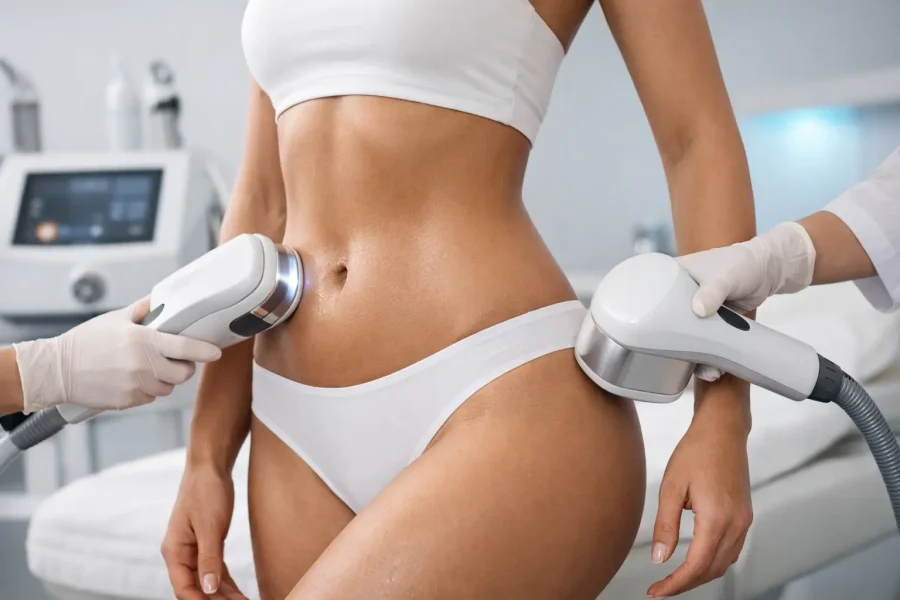
A slimmer waistline is not always about effort. Many women eat well, stay active, and still feel frustrated by stubborn areas that do not respond the way they want. That is usually where the search for the best non invasive body contouring begins – not from vanity, but from wanting your shape to reflect how hard you already work.
The right treatment can refine, smooth, and tighten without surgery, downtime, or dramatic change. Just as importantly, the wrong treatment can leave you disappointed if it is not matched to your goals, body type, and skin condition. Non-invasive body contouring is not one single solution. It is a category of treatments, and the best choice depends on what you are trying to improve.
When people ask for the best non invasive body contouring, they are often looking for one treatment that does everything. In practice, body contouring usually targets one of three concerns: localized fat, loose skin, or cellulite. Some treatments are better for reducing volume. Others are designed to improve skin firmness or texture. A few can address more than one concern, but no device is equally strong at everything.
That distinction matters. If your main concern is fullness through the lower abdomen, a fat-reduction treatment may be the best fit. If the issue is skin that feels less firm after weight loss or pregnancy, skin tightening may give a more satisfying result. If the shape is good but the texture looks uneven, cellulite-focused treatment can make the bigger visual difference.
The most successful treatment plans are precise. Rather than chasing a trend, they start by identifying what is actually creating the concern.
Non-invasive body contouring includes several technologies, but the most common options fall into a few clear categories.
Ultrasonic cavitation is used to target localized fat deposits. It works by using ultrasound energy to disrupt fat cells in treated areas, which the body then gradually processes. This can be a good option for areas such as the abdomen, thighs, flanks, or upper arms when the concern is contour rather than significant weight loss.
Fat cavitation tends to suit clients who are already close to their comfortable size but want more definition in places that have been resistant to diet and exercise. It is not a replacement for weight-loss treatment, and results are usually best when expectations are realistic. Think refinement, not transformation.
Radio frequency body treatments use controlled heat to support collagen production and improve skin firmness. This can be especially helpful when the body shape is fairly close to where you want it, but the skin does not look as toned as you would like.
For many women, this is where non-invasive treatment feels especially valuable. Skin laxity can be difficult to improve with exercise alone. Radio frequency is often chosen for the abdomen, thighs, arms, or buttocks because it can create a smoother, firmer finish over time.
Cellulite is one of the most common body concerns and one of the most misunderstood. It is not simply a sign of poor fitness, and it can affect very lean women as well. Treatments aimed at cellulite reduction focus on improving skin texture and surface smoothness rather than reducing overall body size.
This matters because many clients assume they need fat reduction when what they really want is a smoother appearance through the thighs or buttocks. In that case, a cellulite-focused treatment may produce a more visible improvement than a fat-focused one.
The best treatment is the one that matches your actual concern, your timeline, and your willingness to commit to a course of sessions. Most non-invasive technologies work progressively. Results build over time, and consistency matters.
If your goal is to slim a specific area, fat cavitation may be the better starting point. If your priority is firmness, radio frequency is often more appropriate. If skin texture is the issue, cellulite reduction should be part of the plan. In many cases, combining treatments delivers the most balanced result because contour and skin quality usually work together.
A good consultation should also look at the condition of your skin, hydration, lifestyle habits, and whether your goals are best served by one area or several. Treating too broadly can water down your results. A tailored approach tends to be more effective and more cost-conscious.
This is where expert guidance matters most. The best non invasive body contouring can create visible improvement, but it does not mimic liposuction or surgery. Results are usually subtle to moderate and are best described as sculpting, smoothing, and refining.
You may notice clothes fitting better, a more defined waistline, firmer-looking skin, or less visible texture in treated areas. These changes can be meaningful, especially when they align with how you want to feel in your clothing or swimwear. But they are still natural-looking results, not dramatic overnight changes.
That is not a weakness. For many clients, it is exactly the appeal. The outcome feels polished and believable. You still look like yourself, just more refined.
Clients often search by device name because it feels more concrete. But technology alone does not guarantee results. The quality of your assessment, the treatment settings, the spacing between sessions, and the skill of the practitioner all shape the final outcome.
That is especially true in body contouring, where small details matter. A personalized plan takes into account the thickness of the tissue, the quality of the skin, and the visual balance of the area being treated. It also considers whether the concern is structural, textural, or both.
At Tanya Peters Aesthetics, that personalized approach is central to treatment planning. The goal is not to overpromise. It is to guide each client toward the treatment combination that makes sense for her body, her goals, and the kind of result she wants to see.
Non-invasive body contouring is usually best for healthy adults who are close to their target size and want help with specific concerns. It suits women who want improvement without surgery and who value treatments that fit into a busy lifestyle.
It may be a strong option if you have stubborn fullness through areas like the abdomen or thighs, mild to moderate skin laxity, or visible cellulite that affects your confidence. It is less suitable if you are looking for major weight loss or have expectations that a single session will change your entire shape.
A consultation should also cover medical history, contraindications, and whether the treatment is appropriate for you at this stage. Safety, precision, and personalized care are part of what make the experience feel professional and worth the investment.
Most clients need a course of treatments rather than a one-time appointment. The exact number depends on the area, the technology used, and the degree of change you want to achieve. Some concerns respond relatively quickly, while skin tightening and cellulite reduction often improve more gradually.
This can actually be an advantage. Progressive results tend to look natural, and they give your body time to respond. They also allow your practitioner to assess how you are progressing and adjust the plan if needed.
The best outcomes usually come from a combination of treatment consistency and supportive habits. Hydration, movement, and maintaining a stable weight all help protect your results.
When comparing providers, it is worth looking beyond price and promotional language. Body contouring is not just about access to equipment. It is about whether the practitioner understands body aesthetics, knows how to assess suitability, and is committed to natural-looking results.
Look for a provider who explains what the treatment can and cannot do, recommends a plan based on your body rather than a package, and prioritizes safety just as much as outcomes. A refined result usually comes from restraint, accuracy, and experience.
That same principle applies across aesthetics. The best work is rarely the most exaggerated. It is the work that looks considered, balanced, and tailored to the person in front of you.
If you are weighing up the best non invasive body contouring, start with your real goal, not the latest buzzword. A thoughtful treatment plan can do more than reduce an inch or smooth a surface. It can help you feel more at ease in your body, and that kind of confidence tends to show up everywhere.